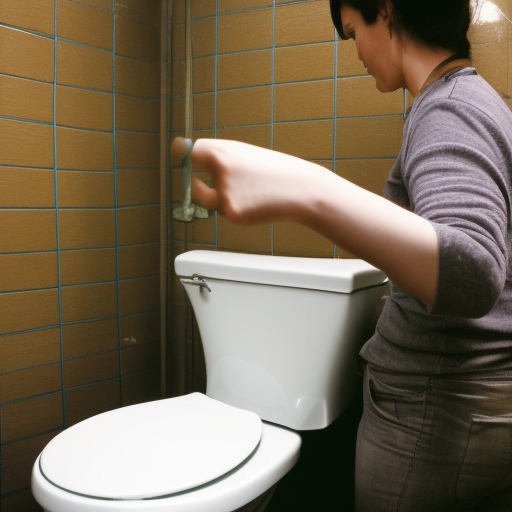
Quick Tips for Handling Plumbing Emergencies Before the Plumber Arrives
Plumbing emergencies can happen unexpectedly, causing panic and stress. While waiting for the emergency plumber to arrive, there are steps you can take to minimize damage, ensure safety, and potentially resolve the issue temporarily. This article provides quick tips for handling common plumbing emergencies before the plumber arrives, allowing you to take immediate action and mitigate the impact of the situation.
Locate and Shut Off the Water Supply:
In many plumbing emergencies, shutting off the main water supply can help prevent further water damage. Familiarize yourself with the location of the main shut-off valve in your property. If a pipe has burst, a major leak is occurring, or water is flowing uncontrollably, turn off the water supply immediately by closing the main shut-off valve. This will halt the flow of water until the emergency plumber arrives.
Address Small Leaks or Drips:
While waiting for the plumber, you can address small leaks or drips temporarily to minimize water damage. Use a bucket, basin, or towels to catch the dripping water. If feasible, place a container under the leak to collect the water. This simple measure can prevent water from spreading and causing further damage to the surrounding area.
Clear the Area and Protect Belongings:
If water is accumulating or spreading rapidly, clear the affected area and remove any valuable or sensitive items that could be damaged. Furniture, electronics, documents, and other belongings should be relocated to a safe and dry area. By protecting your possessions, you can prevent additional losses while awaiting professional assistance.
Turn Off Electricity:
In situations where water is near electrical outlets, appliances, or wiring, it’s important to turn off the electricity to prevent electrical hazards and potential accidents. Locate your electrical panel and switch off the circuit breaker that corresponds to the affected area. If you’re unsure about how to safely turn off the electricity, it’s best to err on the side of caution and wait for the plumber or an electrician to handle this step.
Contain Sewage Backups:
If you’re experiencing a sewer backup, it’s crucial to prevent wastewater from spreading and contaminating your home. Avoid using any drains, toilets, or plumbing fixtures connected to the affected sewer line. If necessary, place towels or rags around the affected drains or toilets to contain the sewage. Avoid contact with the sewage and keep children and pets away from the area to minimize health risks.
Thaw Frozen Pipes:
In the case of frozen pipes, you can attempt to thaw them carefully before the plumber arrives. Use a hairdryer, heat lamp, or towels soaked in warm water to apply gentle heat to the frozen section of the pipe. Start from the faucet end and work your way toward the frozen area. Never use open flames or high-intensity heat sources, as they can damage the pipe or cause a fire hazard. Thawing the pipe can help restore water flow temporarily until the plumber can assess the situation.
Document the Situation:
Before the plumber arrives, document the plumbing emergency by taking photos or videos of the affected areas. This documentation can serve as evidence for insurance claims and help the plumber better understand the extent of the problem. Make note of any visible damage, leaks, or other relevant details that will aid the plumber in their assessment and repair process.
Conclusion:
Handling plumbing emergencies before the plumber arrives is essential to minimize damage and ensure safety. By shutting off the water supply, addressing small leaks, protecting belongings, turning off electricity, containing sewage backups, thawing frozen pipes cautiously, and documenting the situation, you can take immediate action and mitigate the impact of the emergency. However, it’s important to note that these steps are temporary measures and not substitutes for professional plumbing services. As soon as possible, contact an emergency plumber who has the expertise and specialized equipment to address the root cause of the emergency and provide a permanent solution.
Remember, safety should always be a top priority. If you feel uncomfortable or unsure about handling any aspect of the plumbing emergency, it’s best to wait for the plumber to arrive rather than risk causing further damage or harm. Professional plumbers are trained to handle these situations efficiently and effectively, ensuring that the necessary repairs are carried out safely and accurately.
Additionally, it’s recommended to have the contact information of a reliable emergency plumber readily available for quick access during urgent situations. Being prepared in advance can save you precious time and help you address the plumbing emergency promptly.
In conclusion, while waiting for an emergency plumber to arrive, take precautionary measures to minimize damage and ensure safety. Shut off the water supply, address small leaks, protect your belongings, turn off electricity if necessary, contain sewage backups, thaw frozen pipes cautiously, and document the situation. These steps, combined with the expertise of a professional emergency plumber, will help resolve the plumbing emergency effectively and restore the functionality of your plumbing system.