Category: Plumbing News

  • Choosing the Right Geyser for Your Home

    Choosing the Right Geyser for Your Home

    Choosing the Right Geyser for Your Home

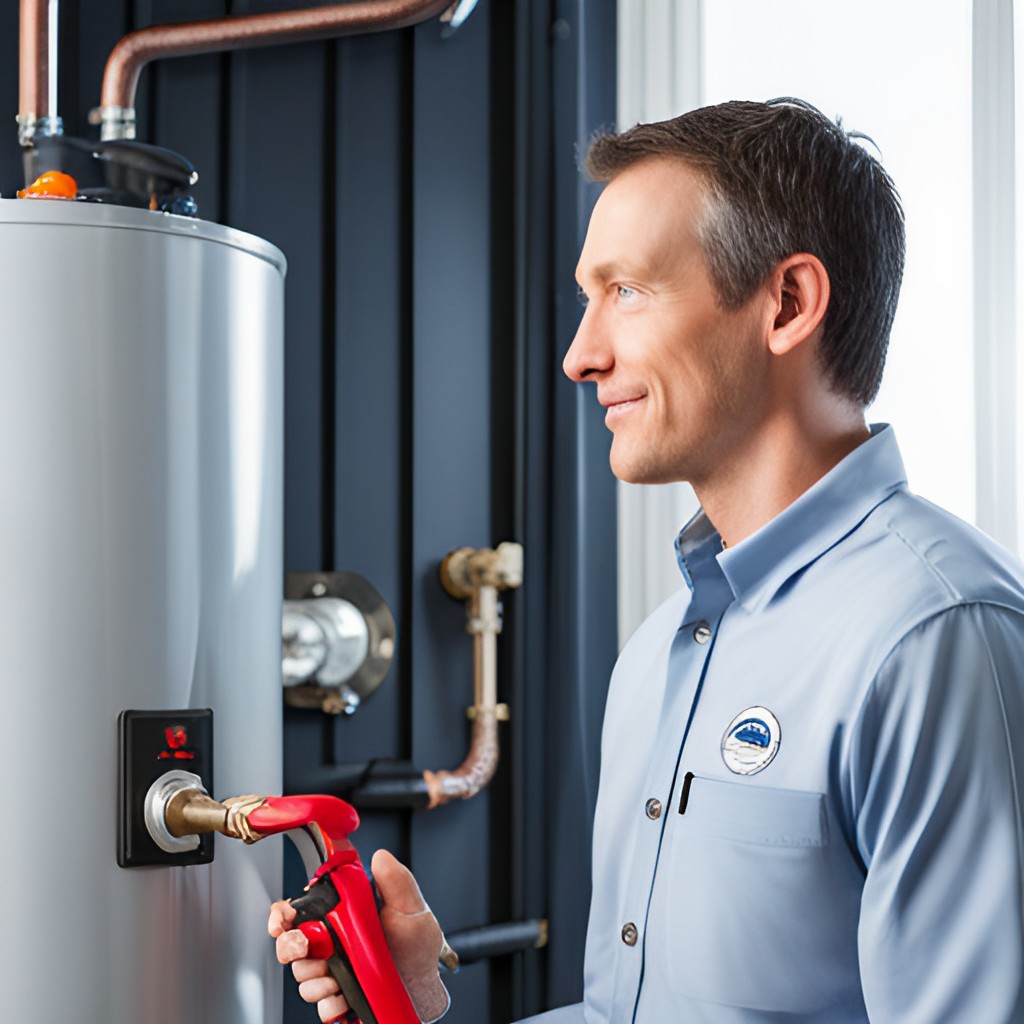
    When it comes to water heating in your home, selecting the right geyser is crucial for ensuring hot water supply, energy efficiency, and long-term cost savings. With various options available in the market, it’s important to consider specific factors that align with your needs. In this article, we will discuss key considerations to help you choose the right geyser for your home.

    Factors to Consider for an Efficient Geyser

    Capacity:

    The capacity of the geyser is determined by the number of people in your household and their hot water usage. Larger families may require geysers with higher capacities to ensure an adequate supply of hot water for bathing, washing dishes, and other daily activities. It’s advisable to assess your family’s hot water needs and select a geyser that can accommodate those requirements.

    Energy Efficiency:

    Energy efficiency is an important factor to consider to reduce electricity consumption and lower your utility bills. Look for geysers that have high energy efficiency ratings, such as those with energy-saving features like insulation, thermostat control, and timer settings. Energy-efficient geysers can significantly reduce your energy consumption and contribute to a greener and more sustainable home.

    Type of Geyser:

    There are different types of geysers available, each with its own advantages and considerations:

    1. Storage Geysers: These geysers feature a tank that stores and heats a specific volume of water. They are suitable for homes with consistent hot water demand but require space for the tank installation.
    2. Instant Geysers: Also known as tankless or on-demand geysers, these units heat water directly as it flows through the system. They provide hot water instantly and are more energy-efficient since they don’t require continuous heating. Instant geysers are ideal for smaller households or locations where space is limited.

    Heating Technology:

    Geysers use various heating technologies, such as electric resistance heating elements or gas burners. Consider the availability and cost of the energy source in your area. Electric geysers are more common and easier to install, while gas geysers can be more energy-efficient but may require additional infrastructure and maintenance.

    Installation and Maintenance:

    Consider the ease of installation and maintenance requirements of the geyser. Some geysers may require professional installation, while others can be easily installed by homeowners. Additionally, check if the geyser has accessible parts for regular maintenance and if there are local service providers available for repairs and servicing.

    Budget:

    Set a budget for your geyser purchase, considering not only the initial cost but also long-term operating expenses. While cheaper options may seem attractive initially, they may be less energy-efficient and result in higher electricity bills over time. It’s worth investing in a quality geyser that balances upfront costs with energy efficiency and durability.

    Conclusion:

    Choosing the right geyser for your home involves considering factors such as capacity, energy efficiency, geyser type, heating technology, installation and maintenance requirements, and budget. By assessing your hot water needs, prioritizing energy efficiency, and considering long-term cost savings, you can select a geyser that meets your requirements while providing reliable hot water supply. Additionally, it’s recommended to consult with professionals or seek advice from reputable suppliers to ensure you make an informed decision that suits your specific needs.

  • DIY vs. Pro Pipe Repairs: Get a Fresh Perspective Now

    DIY vs. Pro Pipe Repairs: Get a Fresh Perspective Now

    DIY Pipe Repair vs. Professional Pipe Repairs: Pros and Cons

    When faced with a pipe repair, homeowners often consider whether to tackle the job themselves or hire a professional plumber. While DIY pipe repair may seem like a cost-effective option, it’s important to weigh the pros and cons against professional pipe repair services. 

    In this article, we’ll explore the advantages and disadvantages of both approaches to help you make an informed decision.

    Weighing the Options for Effective Pipe Repairs

    DIY Pipe Repair:

    Pros:

    Cost Savings: 

    DIY pipe repair can save money on labor costs associated with hiring a professional plumber. If you have the necessary tools and materials on hand, you may be able to complete the repair at a lower cost.

    Convenience: 

    DIY repairs offer the convenience of being able to fix the issue on your schedule without having to wait for an appointment with a plumber. For minor repairs, this can be a time-saving option.

    Learning Experience: 

    DIY pipe repair allows homeowners to gain knowledge and hands-on experience with their plumbing system. It can be a valuable learning opportunity that increases your understanding of how the system works and how to handle basic repairs.

    Cons:

    Limited Expertise: 

    DIY repairs are suitable for minor issues, but complex problems may require professional expertise. Without proper knowledge, you run the risk of ineffective repairs or causing further damage to the plumbing system.

    Safety Concerns: 

    Certain pipe repairs, such as working with gas lines or major water supply pipes, can be hazardous. Without the necessary training and experience, DIY repairs can pose safety risks to yourself and your property.

    Lack of Specialized Equipment: 

    Professional plumbers have access to specialized tools and equipment that may be necessary for certain repairs. DIY repairs may be limited by the tools available to you, potentially compromising the quality and effectiveness of the repair.

    Professional Pipe Repair:

    Pros:

    Expertise and Experience: 

    Professional plumbers undergo training and have extensive experience in handling a wide range of pipe repairs. They have the knowledge and skills to accurately diagnose the issue, provide effective solutions, and ensure long-lasting repairs.

    Efficiency and Time Savings: 

    Hiring a professional plumber saves you time and effort. They can quickly assess the problem, have access to the necessary tools and materials, and efficiently complete the repair. This minimizes downtime and reduces the risk of further damage.

    Warranty and Guarantees: 

    Professional plumbers often offer warranties or guarantees on their work. If any issues arise after the repair, they will return to rectify the problem at no additional cost, providing peace of mind and ensuring the longevity of the repair.

    Cons:

    Costs: 

    Professional pipe repair comes with labor costs that may be higher than DIY repairs. The expertise, specialized equipment, and warranties provided by professionals contribute to the overall cost.

    Scheduling and Availability: 

    Depending on the availability of plumbers, scheduling an appointment for pipe repair may require some coordination. Emergency repairs may come at a premium cost, especially during off-hours.

    Dependency: 

    Hiring a professional plumber means relying on their services, which may not be ideal for individuals who prefer to handle repairs independently.

    Conclusion:

    Choosing between DIY pipe repair and professional pipe repair depends on the nature of the problem, your skills and comfort level, and the level of expertise required. While DIY repairs can be cost-effective for minor issues and offer convenience, they may lack the expertise, specialized equipment, and warranties provided by professional plumbers. Professional pipe repair ensures accurate diagnosis, efficient repairs, and long-term solutions, albeit at a higher cost.

    It’s essential to assess the complexity of the repair, your own capabilities, and the potential risks involved before deciding whether to pursue a DIY repair or hire a professional plumber. Remember, attempting complex repairs without the necessary expertise can lead to further damage and potentially higher costs in the long run.

    As a general guideline, if the issue is minor and within your skill level, such as a small leak or a clogged drain, DIY repair may be a viable option. However, for major pipe damage, extensive leaks, or complex plumbing systems, it is recommended to seek the services of a professional plumber.

    Ultimately, the goal is to ensure a safe and effective repair that resolves the issue without compromising the integrity of the plumbing system. If you’re unsure about your ability to handle the repair or if the problem is beyond your expertise, it’s always best to err on the side of caution and consult a professional plumber who can provide the necessary expertise and deliver quality repairs.

    By carefully considering the pros and cons of both DIY pipe repair and professional pipe repair, you can make an informed decision that meets your specific needs, ensures the proper functioning of your plumbing system, and protects your property from potential damage.

  • Top 6 Pipe Repair Methods

    Top 6 Pipe Repair Methods

    Understanding Different Pipe Repair Methods

    When it comes to pipe repair, there are various methods available, each tailored to specific situations and pipe materials. Understanding different pipe repair methods is essential for homeowners and plumbers alike to address plumbing issues effectively. In this article, we will explore some common pipe repair methods, their applications, and the benefits they offer.

    Choosing the Right Approach for Your Plumbing Needs

    Pipe Patching:

    Pipe patching is a popular repair method for small leaks or cracks in pipes. It involves applying a patch or sleeve to the damaged area to create a watertight seal. Epoxy-based patches or rubberized sleeves are commonly used for pipe patching. The damaged section of the pipe is first cleaned and prepared, and then the patching material is applied and secured in place. Pipe patching is a cost-effective solution that can extend the life of the pipe without the need for extensive excavation or replacement.

    Pipe Relining:

    Pipe relining, also known as cured-in-place pipe (CIPP) lining, is a trenchless repair method used to rehabilitate damaged or deteriorated pipes. It involves inserting a flexible liner coated with resin into the existing pipe. The liner is then inflated and cured, creating a new, seamless pipe within the old one. Pipe relining is suitable for a variety of pipe materials, including clay, cast iron, and PVC. It offers a long-lasting solution, improves flow capacity, and eliminates the need for extensive excavation, making it a cost-effective and minimally disruptive repair method.

    Pipe Replacement:

    In cases of severe pipe damage, such as extensive corrosion, multiple leaks, or collapsed sections, pipe replacement may be necessary. This involves removing the old pipe and installing a new one. Pipe replacement can be done using traditional excavation methods or trenchless techniques, such as pipe bursting or pipe pulling. The choice of replacement method depends on factors such as the condition of the existing pipe, accessibility, and budget. While pipe replacement may be a more extensive and costly solution, it provides a long-term fix and ensures the integrity of the plumbing system.

    Soldering and Welding:

    Soldering and welding are commonly used for joining and repairing metal pipes, such as copper or stainless steel pipes. Soldering involves heating the joint and applying a filler material (solder) to create a strong, leak-free connection. Welding, on the other hand, uses heat to fuse metal pieces together, creating a permanent and robust joint. These methods are typically used for repairs involving pipe fittings, connections, or small leaks. Soldering and welding require skill and expertise, and it is advisable to consult a professional plumber for these types of repairs.

    Slip-Lining:

    Slip-lining is a pipe repair method that involves inserting a smaller diameter pipe, typically made of HDPE (high-density polyethylene), into the existing damaged pipe. The new pipe acts as a liner, providing support and restoring flow capacity. Slip-lining is often used for repairing corroded or deteriorated pipes, providing a cost-effective and efficient solution. It requires minimal excavation and is suitable for various pipe materials.

    Spot Repair:

    Spot repair is a targeted repair method used to address localized pipe damage, such as cracks or small leaks. It involves applying a specialized resin or epoxy coating to the damaged area. The coating is carefully applied to seal the damaged section and prevent further leaks. Spot repair is a quick and cost-effective solution that can be used for both above-ground and underground pipes, minimizing disruption and reducing repair costs.

    Conclusion:

    Understanding different pipe repair methods is crucial for effectively addressing plumbing issues. Whether it’s pipe patching, pipe relining, pipe replacement, soldering and welding, slip-lining, or spot repair, each method offers its own advantages and limitations, depending on the specific situation. When it comes to pipe repair, it is essential to choose the right approach based on the extent and nature of the damage, the pipe material, accessibility, and budget. In some cases, traditional excavation methods may be necessary, while in others, trenchless techniques may be a more viable and cost-effective option.

    It is also important to note that some pipe repair methods require specialized equipment and expertise, and attempting to perform these repairs without proper training can lead to further damage and costly repairs. Consulting a licensed and experienced plumber can ensure that the appropriate repair method is used, and the repair is performed safely and effectively.

    In conclusion, understanding different pipe repair methods is critical for maintaining the integrity of the plumbing system and preventing water damage and associated costs. Whether it’s a minor leak or extensive pipe damage, there are various repair solutions available to address the issue and restore the proper function of the plumbing system.

  • Unblock Your Plumbing Nightmares – Common Plumbing Problems

    Unblock Your Plumbing Nightmares – Common Plumbing Problems

    Common Pipe Problems and Effective Repair Solutions

    The plumbing system is a vital component of any home or building, and it is susceptible to various issues over time. Understanding common pipe problems and having knowledge of effective repair solutions can help homeowners take prompt action and prevent further damage. In this article, we will discuss some common pipe problems and provide effective repair solutions to ensure the longevity and functionality of your plumbing system.

    Common Plumbing Problems – Unblock, Repair and Rejoice!

    Leaking Pipes:

    Leaking pipes are a common issue that can lead to water damage, increased water bills, and potential mold growth. The first step in repairing a leaking pipe is to locate the source of the leak. Once identified, the repair method depends on the type of pipe and the severity of the leak. For minor leaks, applying pipe sealant or using pipe wraps can temporarily fix the problem. However, for more significant leaks or damaged pipes, it is best to consult a professional plumber who can replace or repair the affected section of the pipe.

    Blocked Drains:

    Blocked drains can cause water backup, slow drainage, and unpleasant odors. Several methods can effectively clear blocked drains. One common solution is to use a plunger, which creates suction to dislodge the clog. For stubborn clogs, a plumbing snake or auger can be inserted into the drain to break up or remove the obstruction. Chemical drain cleaners are also available, but they should be used with caution as they can damage pipes and harm the environment. Regular maintenance, such as periodic drain cleaning, can help prevent clogs from occurring in the first place.

    Frozen Pipes:

    Frozen pipes are a common problem in colder climates and can lead to burst pipes and water damage. If you suspect a frozen pipe, it’s crucial to act quickly. Open the affected faucets to relieve pressure and allow water to flow once the pipe thaws. Apply gentle heat to the frozen section using a hairdryer, heating pad, or towels soaked in warm water. Never use an open flame or high heat source, as it can damage the pipe. If you’re unable to thaw the pipe or if it has already burst, it’s essential to shut off the water supply and call a professional plumber for repairs.

    Corrosion:

    Over time, pipes can corrode, leading to leaks and reduced water quality. Copper and galvanized pipes are particularly prone to corrosion. If you notice signs of corrosion, such as discoloration, pinhole leaks, or rusty water, it may be necessary to replace the affected pipes. Consulting a professional plumber is recommended to assess the extent of the corrosion and determine the appropriate repair or replacement method.

    Water Pressure Issues:

    Low or inconsistent water pressure can be frustrating and indicate underlying plumbing problems. In some cases, the issue may be localized to a particular fixture, which can be resolved by cleaning or replacing the aerator or showerhead. However, if the water pressure problem affects the entire plumbing system, it may be due to a blocked pipe, a faulty pressure regulator, or a leak. Identifying and resolving the root cause requires professional expertise to ensure an effective repair solution.

    Sewer Line Issues:

    Sewer line problems, such as blockages or tree root intrusion, can result in sewer backups and foul odors. If you experience frequent clogs, gurgling sounds from drains, or sewage backups, it is crucial to seek professional assistance. A plumber can perform a sewer line inspection using specialized cameras to identify the issue accurately. The repair solution may involve snaking the line to remove obstructions, hydro-jetting to clear debris, or in severe cases, replacing sections of the sewer line.

    Conclusion:

    Being aware of common pipe problems and knowing effective repair solutions can help homeowners address plumbing issues promptly and minimize further damage. Whether it’s leaking pipes, blocked drains, frozen pipes, corrosion, water pressure problems, or sewer line issues, it’s important to assess the situation and determine the appropriate course of action.

    While some minor issues can be resolved with DIY techniques and basic tools, it is advisable to consult a professional plumber for more complex problems or if you’re unsure about the extent of the damage. Professional plumbers have the expertise, experience, and specialized equipment to accurately diagnose the issue and provide long-lasting repair solutions.

    Remember, prevention is key to maintaining a healthy plumbing system. Regular maintenance, such as periodic drain cleaning, inspections for signs of corrosion, and proper insulation to prevent frozen pipes, can help prevent problems from occurring in the first place. Additionally, being mindful of what goes down the drains, avoiding the use of harsh chemicals, and addressing minor issues promptly can contribute to the longevity of your plumbing system.

    In conclusion, understanding common pipe problems and having knowledge of effective repair solutions empowers homeowners to take proactive steps in maintaining a functional and efficient plumbing system. By addressing issues promptly and seeking professional help when needed, you can prevent further damage, minimize repair costs, and ensure the overall health and longevity of your plumbing system.

  • Find the Leak, Fast: Advanced Leak Detection Technology

    Find the Leak, Fast: Advanced Leak Detection Technology

    Advanced Leak Detection Technologies: How They Work

    When it comes to detecting water leaks, advanced technologies have revolutionized the plumbing industry, allowing for more accurate and efficient leak detection. 

    These innovative tools and techniques help professionals identify hidden leaks, locate their source, and minimize damage to properties. 

    In this article, we explore some of the advanced leak detection technologies commonly used by plumbing professionals and how they work.

    Utilizing Technology to Detect and Locate Water Leaks

    Acoustic Leak Detection:

    Acoustic leak detection utilizes sound-based technology to identify and locate water leaks. 

    Professionals use sensitive microphones and listening devices to detect the sound of water escaping from pipes or fixtures. 

    This method relies on the fact that leaks produce distinct sounds, such as hissing, dripping, or flowing water, which can be detected even through solid surfaces. 

    By moving the listening devices along the plumbing system, professionals can pinpoint the exact location of the leak.

    Thermal Imaging:

    Thermal imaging technology utilizes infrared imaging to detect temperature differences caused by water leaks. 

    Water, when it seeps through surfaces or runs along pipes, creates temperature variations that can be captured by thermal cameras. 

    These cameras detect the heat signature of the leaking water, enabling professionals to identify hidden leaks behind walls, under flooring, or in ceilings. 

    The thermal images provide a visual representation of the extent and location of the leak, aiding in efficient repairs.

    Moisture Meters:

    Moisture meters are handheld devices that measure the moisture content of various materials, such as walls, floors, and ceilings. These devices use probes or sensors to detect the presence of moisture in building materials

    By scanning areas suspected of having a water leak, professionals can identify moisture levels above normal and determine the severity of the issue. 

    Moisture meters help narrow down the search area and assist in the accurate detection of hidden leaks.

    Tracer Gas Detection:

    Tracer gas detection involves the use of specialized gases, such as helium or hydrogen, to detect and locate leaks in plumbing systems. 

    These gases are introduced into the pipes and can escape through even the smallest of leaks. 

    Professionals use sensitive gas detectors to identify the presence of the tracer gas above the ground or within walls. This method is particularly useful for locating leaks in complex or hard-to-reach plumbing systems.

    Video Pipe Inspection:

    Video pipe inspection is a technique that utilizes small, waterproof cameras attached to flexible cables to visually inspect the inside of pipes and identify leaks or other issues. 

    The cameras capture real-time video footage as they travel through the pipes, providing a detailed view of the pipe’s condition. 

    This technology allows professionals to locate leaks, blockages, or damaged sections of the plumbing system without the need for extensive excavation or demolition.

    Pressure Testing:

    Pressure testing involves increasing the pressure in a plumbing system to identify leaks. Professionals use specialized equipment to pressurize the system and monitor pressure changes. 

    If there is a leak, a drop in pressure indicates the location of the leak. This method is particularly effective for detecting leaks in water supply lines and can help identify both visible and hidden leaks.

    Conclusion:

    Advanced leak detection technologies have revolutionized the way professionals identify and locate water leaks. 

    Acoustic leak detection, thermal imaging, moisture meters, tracer gas detection, video pipe inspection, and pressure testing are just a few of the innovative tools and techniques used to detect leaks accurately and efficiently. 

    These technologies enable professionals to identify hidden leaks, minimize damage to properties, and perform targeted repairs. By utilizing these advanced technologies, plumbing professionals can save time, reduce costs, and provide effective solutions to water leak issues. If you suspect a water leak in your plumbing system, consulting a professional equipped with these advanced tools can ensure accurate detection and swift resolution.

  • Early Leak Detection – Stop Leaks Sooner, not Later

    Early Leak Detection – Stop Leaks Sooner, not Later

    The Importance of Early Leak Detection and Repair

    Water leaks can wreak havoc on your home, leading to extensive damage and costly repairs if left unattended. Early detection and prompt repair of leaks are essential to minimize the impact and preserve the integrity of your property. In this article, we highlight the importance of early leak detection and repair, emphasizing the benefits it brings to homeowners.

    Preventing Costly Damages and Preserving Your Home

    Preventing Structural Damage:

    Water leaks can cause significant structural damage to your home. Continuous exposure to moisture can weaken the foundation, walls, ceilings, and floors, leading to rot, decay, and compromised structural integrity. 

    By detecting and repairing leaks early, you can prevent costly repairs or even the need for extensive renovations to restore the structural integrity of your home.

    Mitigating Mold and Mildew Growth:

    Water leaks create a breeding ground for mold and mildew, which can have detrimental effects on your health and the indoor air quality of your home. Mold spores can spread quickly, leading to respiratory issues, allergies, and other health problems. Early detection and repair of leaks help prevent moisture buildup and inhibit the growth of mold and mildew, safeguarding the health and well-being of your household.

    Preserving Property Value:

    Undetected leaks that result in severe damage can significantly decrease the value of your property. 

    When it comes time to sell your home, potential buyers will be wary of purchasing a property with a history of water damage. 

    By addressing leaks early on and maintaining a well-maintained plumbing system, you can preserve the value of your property and ensure a smooth transaction should you decide to sell.

    Preventing Escalating Repair Costs:

    The longer a leak goes undetected and unrepaired, the more extensive the damage becomes. What could initially be a minor repair can quickly escalate into a major renovation project if left unattended. 

    Water damage affects not only the immediate area of the leak but also adjacent structures and materials. 

    Early detection and repair allow for less invasive and costly repairs, saving you both time and money.

    Conserving Water and Reducing Utility Costs:

    Hidden water leaks can waste a significant amount of water over time, leading to inflated water bills. Detecting and repairing leaks promptly helps conserve water and reduces your utility costs. By fixing leaks, you contribute to environmental sustainability by using water efficiently and responsibly.

    Preventing Secondary Issues:

    Water leaks can cause a chain reaction of secondary issues. Excess moisture can damage electrical systems, leading to short circuits and electrical hazards.

    It can also damage insulation, compromise the effectiveness of your HVAC system, and even attract pests. 

    By addressing leaks early, you can prevent these secondary issues and maintain a safe and comfortable living environment.

    Peace of Mind:

    Knowing that your home is free from water leaks provides peace of mind. You can rest assured that your property is protected, and your plumbing system is functioning properly. 

    Early leak detection and repair alleviate worries about potential water damage and its associated complications, allowing you to enjoy your home without unnecessary stress.

    Conclusion:

    Early leak detection and repair are vital for maintaining the integrity of your home, preserving its value, and preventing costly repairs. 

    By promptly addressing leaks, you prevent structural damage, mitigate mold growth, conserve water, reduce utility costs, and prevent secondary issues. Regular inspections, monitoring water usage, and seeking professional assistance at the first signs of a leak are key steps to ensuring a healthy and well-maintained plumbing system. 

    Remember, investing time and resources into early leak detection and repair will save you from extensive damage, financial burdens, and the hassle of dealing with water-related issues in the future.

  • Detecting Hidden Leaks: Signs and Symptoms

    Detecting Hidden Leaks: Signs and Symptoms

    Hidden water leaks can be detrimental to your home and lead to extensive damage if left undetected. Detecting these leaks early is crucial for preventing costly repairs and water-related issues. In this article, we will explore the signs and symptoms that can help you identify hidden water leaks in your home, allowing you to take prompt action and minimize potential damage.

    Unexplained Increase in Water Bills:

    One of the primary signs of a hidden water leak is a sudden and unexplained increase in your water bills. If you notice a significant rise in your monthly water expenses without a corresponding change in water usage patterns, it is likely that there is a leak somewhere in your plumbing system. Monitor your water bills closely and investigate any unexpected spikes.

    Visible Water Stains or Discoloration:

    Water leaks often result in visible signs such as water stains or discoloration on walls, ceilings, or floors. Look for patches of dampness, yellow or brown stains, or peeling paint. These indicators suggest that water is seeping through surfaces and could be originating from a hidden leak behind the walls or under the flooring.

    Mold or Mildew Growth:

    Hidden water leaks create a conducive environment for mold and mildew growth. If you notice a musty or damp odor in certain areas of your home or observe black or green patches of mold, it is likely that there is excess moisture caused by an underlying leak. Pay particular attention to areas with poor ventilation, such as bathrooms, basements, or crawl spaces.

    Warped or Buckling Flooring:

    Water leaks that occur underneath flooring materials can cause the floorboards to warp or buckle. If you notice a sudden change in the shape or alignment of your floors, especially in areas prone to water exposure, such as kitchens or bathrooms, it may indicate a hidden leak. Soft or squishy areas underfoot are also potential signs of water damage.

    Sounds of Running Water:

    If you can hear the sound of running water when all faucets and appliances are turned off, it could indicate a hidden water leak. Listen for the sound of flowing water behind walls, under sinks, or near plumbing fixtures. The sound may be faint, but if you can hear it consistently, it is worth investigating further to identify the source of the leak.

    Reduced Water Pressure:

    A sudden decrease in water pressure in one or more fixtures can be a sign of a hidden leak. When there is a leak in the plumbing system, water may be diverted away from its intended destination, leading to reduced pressure in other areas. If you notice a significant drop in water pressure without any apparent cause, it is advisable to have your plumbing system inspected for potential leaks.

    Wet or Damp Spots:

    Keep an eye out for wet or damp spots in areas where they shouldn’t be, such as walls, ceilings, or cabinets. Moisture or water droplets on surfaces that are not exposed to direct water sources are strong indicators of a hidden leak nearby. Investigate the area thoroughly to locate the source of the moisture and take appropriate action.

    Detecting hidden water leaks early is crucial for preventing extensive damage to your home. By paying attention to signs such as unexplained increases in water bills, visible water stains or discoloration, mold or mildew growth, warped flooring, sounds of running water, reduced water pressure, and wet or damp spots, you can identify potential leaks and take prompt action.

    If you suspect a hidden water leak, it is recommended to consult a professional plumber who can locate and repair the leak, preventing further damage and ensuring the integrity of your plumbing system. Professional plumbers have the expertise and tools to accurately detect and locate hidden leaks, even those behind walls or under flooring.

    Remember, timely detection and repair of hidden water leaks can save you from expensive repairs and the potential for mold growth or structural damage. If you notice any of the signs mentioned in this article, it’s important to act quickly. Here are a few steps you can take:

    Monitor Your Water Meter: 

    Turn off all water sources in your home and check your water meter. If the meter is still running, it indicates that there is a leak in your plumbing system. This method helps you determine if there is a hidden leak, even if you haven’t noticed any visible signs.

    Perform Visual Inspections: 

    Regularly inspect areas prone to water leaks, such as bathrooms, kitchens, laundry rooms, and basements. Look for any signs of moisture, discoloration, or mold growth. Pay attention to cabinets, walls, and ceilings, as leaks can occur in hidden pipes behind these structures.

    Use Leak Detection Devices: 

    There are various leak detection devices available on the market that can help you identify hidden leaks. These devices use sound or thermal imaging technology to pinpoint the location of the leak. While they can be useful tools, it’s important to note that professional plumbers have more advanced equipment and training for accurate leak detection.

    Call a Professional Plumber: 

    If you suspect a hidden water leak or if you’ve noticed any of the signs mentioned earlier, it’s best to call a professional plumber. They have the knowledge and experience to conduct a thorough inspection of your plumbing system, identify the source of the leak, and provide appropriate repairs. Prompt action can prevent further damage and save you from costly repairs in the future.

    In conclusion, being vigilant and attentive to the signs and symptoms of hidden water leaks is crucial for maintaining a healthy plumbing system and preventing extensive damage to your home. By monitoring water usage, performing visual inspections, using leak detection devices, and seeking professional assistance, you can detect hidden leaks early and take necessary steps to address them. Remember, the sooner you address a hidden water leak, the better it is for your home, your finances, and your peace of mind.

  • Why Hiring Experts for Drain Cleaning is Worthwhile

    Why Hiring Experts for Drain Cleaning is Worthwhile

    Maintaining clean and functional drains is crucial for the overall health of your plumbing system and the comfort of your home. While DIY drain cleaning techniques can be useful for minor issues, there are significant advantages to hiring professional drain cleaning services. In this article, we delve into the benefits of relying on experts to handle your drain cleaning needs, ensuring optimal performance and preventing potential plumbing problems.

    Thorough and Effective Cleaning

    One of the primary benefits of professional drain cleaning services is the thorough and effective cleaning they provide. Professionals have access to specialized tools, such as high-pressure water jetting equipment and drain snakes, that can dislodge even the most stubborn clogs and remove accumulated debris. Their expertise allows them to identify and target the root cause of the problem, ensuring a comprehensive cleaning that promotes better flow and prevents future clogs.

    Prevention of Future Clogs

    Professional drain cleaners not only address the immediate issue but also focus on preventing future clogs. By thoroughly cleaning the drains, they remove any buildup or obstructions that can lead to clogs over time. This proactive approach helps maintain the optimal functioning of your drains and reduces the likelihood of recurring clogs, saving you from frequent frustrations and the need for repeated DIY interventions.

    Identification of Underlying Problems

    When you hire professionals for drain cleaning, they go beyond just clearing the clog. They also inspect your plumbing system to identify any underlying problems that may be causing recurring issues. This can include issues such as damaged pipes, tree root intrusions, or improper drain slope. By identifying these underlying issues early on, professionals can recommend appropriate solutions to prevent future problems and potentially save you from costly repairs down the line.

    Preservation of Plumbing System

    Regular professional drain cleaning helps extend the lifespan of your plumbing system. By removing buildup and debris, professionals prevent corrosion, deterioration, and damage to pipes. This preservation of your plumbing system not only reduces the need for frequent repairs but also ensures the longevity of your pipes, saving you money in the long run.

    Improved Drainage Efficiency

    Over time, drains can accumulate debris and buildup that restrict the flow of water. This can result in slow drainage, gurgling noises, and backups. Professional drain cleaning services restore the optimal flow capacity of your drains, improving drainage efficiency. With improved drainage, you’ll experience faster and more efficient water removal, reducing the risk of overflows, leaks, and other plumbing issues.

    Health and Safety Benefits

    Clogged drains can pose health hazards due to the accumulation of bacteria, mold, and unpleasant odors. Professional drain cleaning eliminates these risks by effectively removing the source of contamination. It improves the overall cleanliness of your plumbing system, ensuring a healthier environment for you and your family.

    Peace of Mind

    Hiring professional drain cleaning services provides you with peace of mind. You can rest assured that your drains are in the hands of trained professionals who have the knowledge and experience to tackle any drainage issue. Professionals use safe and effective techniques, minimizing the risk of damage to your plumbing system or property. Additionally, their expertise allows them to efficiently handle the job, saving you time and effort.

    Conclusion

    Professional drain cleaning services offer a range of benefits that go beyond simple clog removal. From thorough and effective cleaning to prevention of future clogs, identification of underlying problems, preservation of the plumbing system, improved drainage efficiency, health and safety benefits, and peace of mind, the advantages of hiring experts for drain cleaning are significant. By entrusting your drain cleaning needs to professionals, you ensure the optimal performance of your plumbing system, prevent potential plumbing problems, and enjoy a clean and well maintained system.

  • Signs Your Drains Need Professional Cleaning

    Signs Your Drains Need Professional Cleaning

    Regular maintenance and cleaning of your drains are essential to keep them functioning properly. Over time, however, drains can accumulate debris, mineral buildup, and other substances that can lead to clogs and restricted flow. While some minor clogs can be resolved with DIY methods, there are instances when professional drain cleaning services are necessary. In this article, we highlight the signs that indicate your drains may need professional cleaning to ensure optimal performance and prevent potential plumbing issues.

    Slow Drainage:

    One of the most common signs that your drains require professional cleaning is slow drainage. If you notice that water is taking longer to drain from sinks, tubs, or showers, it indicates a partial blockage in the drain. While minor clogs can sometimes be resolved with DIY techniques, persistent slow drainage suggests a more significant buildup that requires professional attention.

    Foul Odors:

    Unpleasant odors emanating from your drains are a clear indication of buildup or clogs. Over time, food particles, hair, soap scum, and other debris can accumulate in your drains, creating a breeding ground for bacteria and causing foul smells to arise. If you consistently notice unpleasant odors coming from your drains, it’s advisable to have them professionally cleaned to eliminate the source of the odor and restore fresh-smelling drains.

    Recurring Clogs:

    While occasional clogs can be resolved with DIY methods, frequent or recurring clogs suggest a more underlying issue. If you find yourself dealing with clogs in the same drain repeatedly, it’s likely that there is a buildup or obstruction that requires professional cleaning. Professional drain cleaning can help identify and remove stubborn clogs, preventing them from reoccurring and causing further damage.

    Gurgling Noises:

    If you hear gurgling sounds coming from your drains when using nearby plumbing fixtures, it could indicate a drainage problem. Gurgling noises occur when air is trapped in the pipes due to partial blockages or obstructions. These blockages can disrupt the flow of water and air in the plumbing system, leading to unusual sounds. Professional drain cleaning can help remove the blockages and restore proper drainage, eliminating the gurgling noises.

    Water Backups or Overflows:

    Water backups or overflows are clear indications of severe drain blockages that require immediate professional attention. If water backs up into sinks, tubs, or toilets when using nearby plumbing fixtures, it signifies a significant obstruction in the drain system. This situation can cause water damage, health hazards, and further plumbing issues if not addressed promptly by a professional drain cleaning service.

    Multiple Clogged Drains:

    If you experience clogs in multiple drains throughout your property simultaneously, it suggests a blockage in the main sewer line. This is a serious issue that requires professional expertise to diagnose and resolve. Professional drain cleaning services can inspect the main sewer line, identify the cause of the blockage, and implement the necessary steps to clear it, ensuring the proper functioning of all drains.

    Conclusion:

    Regular maintenance and cleaning of your drains are essential to prevent clogs and ensure optimal performance. However, if you notice signs such as slow drainage, foul odors, recurring clogs, gurgling noises, water backups or overflows, or multiple clogged drains, it’s time to seek professional drain cleaning services. Professional cleaners have the expertise, tools, and techniques to effectively remove stubborn clogs, eliminate buildup, and restore proper drainage. By addressing these signs promptly, you can prevent further damage, avoid plumbing emergencies, and maintain the longevity of your plumbing system.

  • DIY Drain Cleaning Techniques: Dos and Don’ts

    DIY Drain Cleaning Techniques: Dos and Don’ts

    Clogged drains can be a frustrating and inconvenient issue that many homeowners face. While minor clogs can often be resolved with simple do-it-yourself (DIY) techniques, it’s important to approach drain cleaning with caution to avoid causing further damage. In this article, we provide a list of dos and don’ts to guide you through DIY drain cleaning, ensuring you can safely and effectively clear clogged drains.

    Dos:

    Use a Plunger:

    A plunger is a valuable tool for clearing clogs in sinks, toilets, and tubs. Use a cup plunger for sinks and tubs, and a flange plunger for toilets. Ensure a tight seal around the drain and use firm, quick plunging motions to create pressure and dislodge the clog. This technique works well for minor clogs and is generally safe to use.

    Try Natural Drain Cleaners:

    Natural drain cleaners can be effective for minor clogs and are a safer alternative to harsh chemicals. Baking soda and vinegar are a popular DIY drain cleaning solution. Pour half a cup of baking soda down the drain, followed by half a cup of vinegar. Let it sit for a few hours or overnight, then flush with hot water. This method can help break down organic material and clear minor clogs.

    Use a Drain Snake or Auger:

    A drain snake or auger is a useful tool for tackling more stubborn clogs. Insert the snake into the drain and rotate it to catch the clog. Carefully push and pull the snake to break up the blockage. Once the clog is loosened, flush the drain with hot water. Drain snakes are effective for removing hair, soap scum, and other debris from drains.

    Maintain Regular Drain Maintenance:

    Prevention is key to avoiding clogged drains. Implementing regular drain maintenance practices can help keep your drains flowing smoothly. Use drain screens or stoppers to catch hair, food particles, and other debris. Regularly flush drains with hot water to prevent buildup. Additionally, consider using enzymatic drain cleaners periodically to maintain clean drains.

    Don’ts:

    Use Chemical Drain Cleaners Excessively:

    Chemical drain cleaners are strong and can effectively dissolve clogs. However, they should be used sparingly and with caution. Excessive use of chemical drain cleaners can damage pipes and fixtures over time. Furthermore, these chemicals are harmful to the environment and can pose health risks if not handled properly. Reserve their use for stubborn clogs when other methods have failed.

    Pour Grease or Oil Down the Drain:

    Avoid pouring grease, oil, or fat down the drain, as they can solidify and cause stubborn clogs. Instead, collect grease in a container and dispose of it in the trash once it has solidified. For cooking oils, let them cool, and then wipe them up with a paper towel before discarding.

    Use Sharp Objects to Clear Clogs:

    Using sharp objects like wire hangers or metal rods to clear clogs is not recommended. These objects can damage pipes, scratch fixtures, or get stuck in the drain, making the situation worse. Stick to using appropriate tools like plungers or drain snakes that are designed for drain cleaning.

    Ignore Persistent or Severe Clogs:

    If your DIY efforts fail to clear the clog or if you experience persistent or severe clogs, it’s time to call a professional plumber. Ignoring these issues can lead to further damage, pipe leaks, or backups. Professional plumbers have the expertise and equipment to handle complex clogs and ensure a thorough and long-lasting solution.

    Disassemble Pipes without Proper Knowledge:

    While disassembling pipes may seem like a solution for clearing a clog, it’s important to exercise caution and have the necessary knowledge and skills. Disassembling pipes without proper understanding can lead to leaks, further damage, or difficulty in reassembling the plumbing system correctly. Unless you’re confident in your abilities, it’s best to leave pipe disassembly to professional plumbers.

    Overlook Safety Precautions:

    When performing DIY drain cleaning, always prioritize safety. Wear gloves to protect your hands from chemicals or debris. Open windows or use ventilation to prevent exposure to fumes. Avoid mixing different drain cleaners or using chemicals that are incompatible. Follow the instructions on the product labels and exercise caution throughout the process.

    Conclusion:

    DIY drain cleaning can be a cost-effective and convenient way to clear minor clogs. By following the dos and don’ts outlined in this article, you can safely and effectively address common drain blockages. Remember to use a plunger, try natural drain cleaners, use a drain snake or auger, and maintain regular drain maintenance practices. 

    Avoid excessive use of chemical drain cleaners, pouring grease down the drain, using sharp objects, ignoring persistent or severe clogs, and disassembling pipes without proper knowledge. When in doubt or faced with stubborn clogs, it’s best to consult with a professional plumber to ensure a thorough and efficient resolution to the problem.